Medical Answering Services Hours: The Complete Guide to Coverage, After-Hours Support, and Help Desk Disadvantages
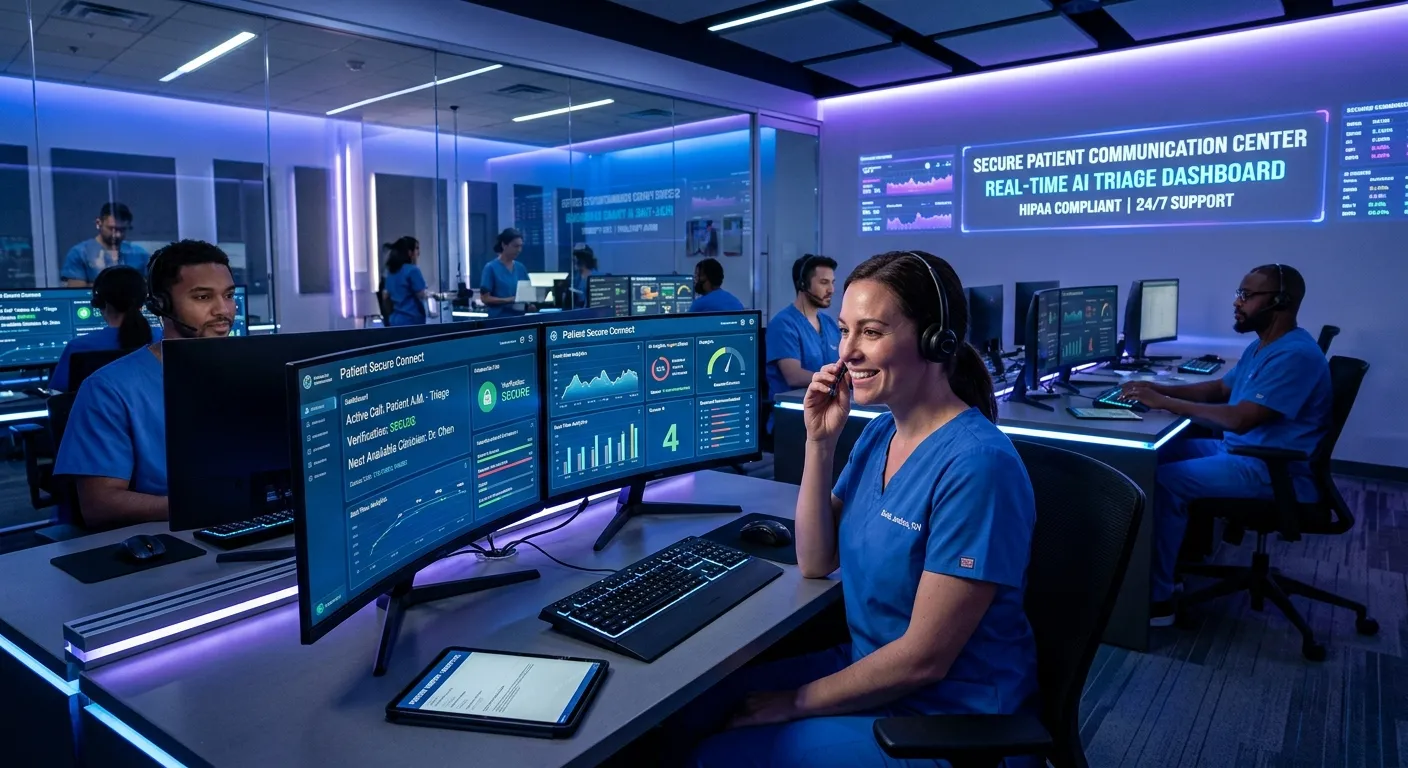
SEO Title: Medical Answering Services Hours: Hire Staff Today for 24/7 Patient Call Coverage and After-Hours Support
SEO Description: Explore Medical Answering Services Hours, compare business-hours, after-hours, and 24/7 healthcare phone coverage, understand Help Desk Disadvantages, and Hire Staff Today for reliable patient communication.
About Medical Answering Services Hours
Medical Answering Services Hours are the scheduled windows during which a healthcare practice, clinic, urgent care center, dental office, or medical support team ensures that inbound patient calls are answered, triaged, routed, documented, and followed up. These hours are not simply a front-desk timetable. They are a clinical and operational decision that affects patient safety, staff workload, revenue capture, compliance, and reputation.
In healthcare, timing is everything. A patient calling at 4:58 p.m. may be experiencing the same urgency as a patient calling at 8:02 a.m. If the practice is not prepared to answer, route, or document the call properly, the result can be a missed appointment, an abandoned clinical concern, an unnecessary emergency department visit, or a dissatisfied patient who never returns. That is why Medical Answering Services Hours should be designed around patient behavior, clinical risk, staffing capacity, and technology availability—not just office opening times.
This guide explains the most common coverage models, the advantages of extended and 24/7 answering services, the disadvantages of traditional help desk approaches, and how modern AI-powered phone answering can help healthcare organizations stay reachable without overloading human staff.
Interactive Tabbed Content: Multi-Category Coverage Overview
Standard Business Hours
Standard Business Hours usually cover Monday through Friday, often between 8:00 a.m. and 6:00 p.m., depending on the practice schedule. This model works well for routine scheduling, insurance questions, prescription refills, and general patient communication.
- Best for practices with predictable daytime call volume.
- Supports front-desk workflows and appointment management.
- Can be combined with internal staff or external answering services.
- May leave evenings, weekends, and lunch breaks uncovered.
After-Hours & On-Call Coverage
After-hours coverage is essential when patients need guidance outside normal office times. For many medical practices, the most sensitive calls occur when the front desk is closed. A well-designed on-call service can route urgent concerns, capture messages, and escalate only what requires clinician attention.
For practices considering external support, it is useful to review options such as On-Call After Hours Answering Services For Medical Offices, which help teams maintain continuity when internal staff are unavailable.
- Ideal for urgent care, dental practices, clinics, and specialty offices.
- Reduces missed calls during evenings, weekends, and holidays.
- Supports triage, message capture, and escalation protocols.
- Protects patient trust while reducing clinician burnout.
24/7 & Overflow Coverage
Continuous coverage means patients are never sent to voicemail because the office is closed. Overflow coverage adds another layer: when daytime call volume spikes, unanswered calls are automatically routed to an answering service or AI receptionist instead of being lost.
This is especially valuable for practices that experience seasonal surges, appointment-book pressure, or sudden increases in inbound demand. Healthcare Call Volume Management with Call Taking AI can help practices stay organized when call traffic becomes unpredictable.
- Provides round-the-clock patient reachability.
- Captures missed calls during lunch, meetings, and high-volume periods.
- Supports appointment scheduling, reminders, and follow-up.
- Helps practices scale communication without scaling headcount immediately.
Hybrid AI + Human Coverage
Hybrid coverage is one of the strongest models for modern Medical Answering Services Hours. AI handles routine, repetitive, or overflow calls, while human staff manage complex clinical concerns, sensitive conversations, and escalation workflows.
This approach reduces the limitations of a traditional phone desk while preserving the empathy and judgment of trained staff. It also makes it easier to understand the difference between a Call Centre and a Virtual Answering Service, since each model brings different strengths to patient communication.
- AI supports speed, consistency, and after-hours availability.
- Human staff handle nuanced patient interactions.
- Practices can reduce wait times and improve call documentation.
- Creates a flexible model for growing healthcare teams.
Why Medical Answering Services Hours Matter
Healthcare communication is not just administrative. It is part of patient experience, clinical safety, and operational efficiency. When patients cannot reach a practice, they may assume the practice does not care. When they cannot reach a clinician during urgent moments, the consequences can be more serious. That is why defining the right Medical Answering Services Hours is a strategic priority.
Many practices operate with limited front-desk staffing. A small team may handle calls during normal business hours, but lunch breaks, staff meetings, appointment blocks, and end-of-day wrap-up can create gaps. These gaps are exactly when patients call to reschedule, ask insurance questions, or report symptoms. If calls are missed, the practice loses both revenue and trust.
The Operational Impact of Coverage Gaps
Coverage gaps affect more than phone metrics. They influence staff stress, appointment utilization, patient retention, and compliance documentation. When calls are not answered in a structured way, messages may be written on paper, forwarded informally, or forgotten. That creates operational risk. A defined answering-hours strategy helps ensure every call has a destination, a process, and a record.
Pro Tip: Map Call Volume by Time, Not Assumption
Before choosing Medical Answering Services Hours, review call logs, missed-call reports, appointment cancellations, and patient feedback. Look for patterns: Are most missed calls between 12:00 p.m. and 2:00 p.m.? Do patients call frequently after 6:00 p.m.? Are weekends generating urgent scheduling requests? Data-driven coverage decisions are far more effective than guessing.
Practices should also consider the nature of their services. A dental office may need strong coverage for appointment changes and emergency pain calls. A specialty clinic may need support for referrals, prior authorizations, and follow-up questions. An urgent care center may need overflow handling during peak illness seasons. The right hours should reflect the patient population, not just the office calendar.
Key Features and Benefits of Strong Medical Answering Hours
Patient Reachability
Extended hours ensure patients can reach the practice when they need it most, improving satisfaction and reducing abandonment.
Clinical Triage Support
Structured answering workflows help route urgent concerns appropriately while protecting clinicians from unnecessary interruptions.
Appointment Recovery
After-hours and overflow coverage can capture rescheduling requests, new-patient inquiries, and cancellations that would otherwise be lost.
Staff Burnout Reduction
When calls are managed through defined hours and escalation paths, staff are less likely to be pulled away from patient care or clinical work.
Compliance-Ready Documentation
Clear answering protocols support accurate message logging, consent handling, and traceable communication records.
Scalable Coverage
Modern phone answering can expand with seasonal demand, new locations, or growing patient bases without immediate hiring pressure.
How to Choose the Right Medical Answering Services Hours
Selecting the right coverage model requires more than deciding whether to open early or close late. It requires a clear understanding of patient needs, staffing realities, clinical risk, and technology capabilities. The best Medical Answering Services Hours are the ones that match the way patients actually communicate with your practice.
1. Start with Patient Behavior
Ask when patients are most likely to call. Are they calling before work, during lunch, after school pickup, or late at night? Do they call when symptoms begin, when they need to reschedule, or when they cannot get through during business hours? Patient behavior should guide your coverage priorities.
2. Define Urgency Levels
Not all calls require the same response. Some need immediate clinician escalation, while others can be handled as messages or appointment requests. A strong answering-hours plan includes clear urgency categories, routing rules, and fallback procedures.
3. Evaluate Internal Staffing Capacity
If your front desk is already overwhelmed, adding more calls without support may worsen performance. In those cases, overflow answering, after-hours support, or AI receptionist coverage may be more practical than simply extending human shift hours.
4. Use Technology to Extend Coverage
AI-powered phone answering can support appointment reminders, follow-ups, and routine inquiries. For example, AI-Powered Appointment Reminder And Follow-Up Calls For Healthcare Businesses can reduce no-shows and keep patients informed without requiring constant manual outreach.
5. Review Your Coverage Model Regularly
Medical Answering Services Hours should not be set once and forgotten. Patient demand changes, staffing models shift, and technology improves. Review missed-call data, patient feedback, appointment conversion rates, and staff workload at least quarterly to ensure your coverage remains effective.
Help Desk Disadvantages in Healthcare Phone Coverage
Traditional help desk models can be useful in many industries, but healthcare introduces unique challenges. Understanding Help Desk Disadvantages is essential when comparing internal phone support, outsourced call centers, and modern answering services.
Limited Healthcare-Specific Training
Many help desk agents are trained in general customer support, not medical terminology, clinical urgency, patient privacy, or triage protocols. In healthcare, that gap can create risk. A call that sounds routine to a generalist may involve symptoms, medication concerns, or appointment delays that require specialized handling.
Rigid Escalation Workflows
Help desks often follow scripted escalation paths that may not align with clinical workflows. If the system cannot recognize urgency, route to the right team member, or document the interaction properly, the practice may lose time and patient confidence.
Coverage Gaps During Peak Demand
Traditional help desk staffing may struggle with call spikes. Lunch hours, Monday mornings, flu season, or post-holiday scheduling rushes can overwhelm teams and increase missed calls.
Higher Cost for Extended Hours
Keeping a help desk staffed after hours, on weekends, or during holidays can be expensive. Overtime, shift differentials, and recruitment costs can make traditional models less sustainable for smaller practices.
Expert Insight: Help Desk vs. Medical Answering Service
A help desk is often reactive and ticket-based. A medical answering service should be patient-centered, clinically aware, and integrated with scheduling workflows. That distinction matters because healthcare calls are not just support tickets—they are moments of trust, urgency, and care coordination.
For many practices, the best solution is not choosing between human staff and automation. It is designing a layered system where AI handles routine coverage and overflow, while trained staff manage complex or sensitive interactions. If you are evaluating after-hours support, it is also worth reviewing the Best AI Receptionist for After Hours Calls to understand how modern answering can reduce gaps without replacing human judgment.
Video Insight: Healthcare AI Call Answering in Practice
To see how modern Medical Answering Services Hours can be supported by secure AI call handling, watch this overview of healthcare-focused AI phone answering.
The video highlights how AI-powered answering can improve response speed, reduce missed calls, and support compliant patient communication while preserving the role of human staff for complex interactions.
Actionable Advice for Implementing Better Answering Hours
Implementation is where many healthcare organizations struggle. A good plan is not enough unless it is translated into clear workflows, staff training, technology settings, and measurable outcomes. The following steps can help you build a practical and scalable answering-hours strategy.
Step 1: Document Your Current Call Flow
Map every incoming call path: who answers, what happens when no one answers, how messages are recorded, and how urgent calls are escalated. This reveals hidden gaps and duplicate efforts.
Step 2: Set Clear Patient-Facing Expectations
Patients should know what to expect. If your practice has limited hours, communicate that clearly through phone greetings, website notices, and appointment reminders. Transparency reduces frustration and helps patients choose the right communication channel.
Step 3: Build Escalation Rules Before You Need Them
Decide in advance how to handle urgent symptoms, medication questions, insurance disputes, and appointment conflicts. If escalation rules are only created during a crisis, the practice is more likely to make costly mistakes.
Step 4: Use AI for Repetitive Coverage
AI can support routine scheduling, message capture, reminders, and overflow handling. This frees human staff to focus on higher-value patient interactions and clinical coordination.
Step 5: Measure Outcomes Weekly
Track missed calls, answer rates, appointment conversion, patient feedback, escalation frequency, and staff workload. If your Medical Answering Services Hours are working, you should see measurable improvements in patient access and operational clarity.
FAQ: Medical Answering Services Hours
Final Thoughts: Build Coverage Around Patients, Not Just Office Hours
The right Medical Answering Services Hours are not simply the hours your office is open. They are the hours your patients need you to be reachable. In healthcare, that distinction can determine whether a practice builds trust or loses opportunities, whether staff stay focused or become overwhelmed, and whether patient concerns are resolved promptly or escalate unnecessarily.
By combining data-driven scheduling, clear escalation workflows, and modern answering technology, practices can create coverage models that improve patient access while protecting staff capacity. Whether you choose standard hours, after-hours support, 24/7 availability, or a hybrid AI-assisted approach, the goal is the same: ensure every patient call is handled with clarity, consistency, and care.
If your practice is ready to strengthen its phone coverage, reduce missed calls, and build a more reliable patient communication system, it is time to act.
Ready to Strengthen Your Medical Answering Services Hours?
Hire Staff Today to build reliable, patient-focused phone coverage for your healthcare practice. Whether you need daytime support, after-hours assistance, or scalable answering coverage, taking action now can help you protect patient trust and capture every call opportunity.
Hire Staff Today