
Optimizing the IT Service Desk at Bradley University: A Strategic Guide for Modern Support & Hiring
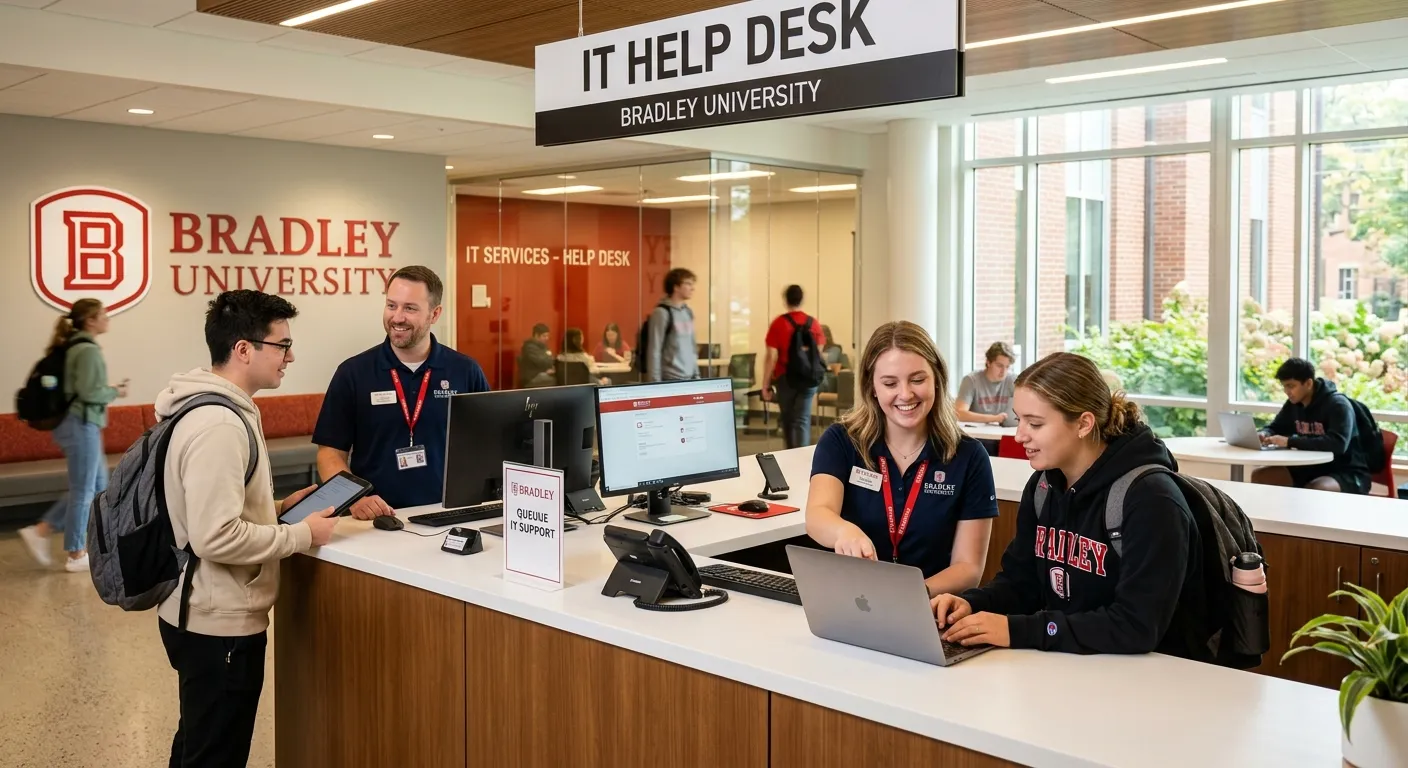
The IT Service Desk at Bradley University is the critical frontline for student, faculty, and administrative support. In an era of escalating digital demands, transforming this desk from a cost center into a strategic asset requires innovative staffing, advanced technology, and intelligent call management. This comprehensive guide explores how integrating AI-powered solutions can revolutionize support, manage call volume spikes, and inform smarter hiring decisions for your team.
The Modern University IT Service Desk: Beyond Password Resets
The IT Service Desk Bradley University team manages a complex ecosystem. From onboarding thousands of new students each semester to supporting critical research software and ensuring lecture hall tech runs flawlessly, the scope is vast. Peak periods—like the start of a semester, exam weeks, or financial aid deadlines—create massive, predictable spikes in inbound requests that can overwhelm even a well-staffed team. This is a classic call center inbound challenge, similar to the pressures faced by a Call Center Inbound Lecce E Provincia handling regional customer service surges. The key to success lies in proactive volume management and resource allocation.
A reactive desk simply puts out fires. A strategic, modern service desk anticipates demand, automates tier-1 inquiries, and empowers its human agents to handle complex, high-value issues. This shift requires a blend of the right people and the right technology. Understanding The True Cost Of Missing Business Calls is directly applicable here—every missed student call or unsubmitted ticket can lead to frustration, decreased productivity, and a negative perception of university support services.
Key Strategies for a High-Performance University IT Service Desk
Predictive Call Volume Management
Analyze historical data to forecast peak demand periods for the IT Service Desk Bradley University. Proactively schedule additional staff or activate AI-powered call overflow protocols before the phones start ringing off the hook. This proactive approach is as vital for a university as it is for a commercial Call Center Inbound Lecce E Provincia.
24/7 Tier-1 Support with AI
Deploy an AI receptionist to handle common after-hours and weekend queries. This ensures students working late or international faculty can always get basic help, aligning with the principles of the easiest way to handle after-hours calls. It dramatically improves service perception without requiring overnight staff.
Hybrid Staffing Model
Combine a core of permanent, university-employed IT specialists with a flexible pool of pre-vetted temporary agents for peak periods. This model offers cost control and scalability. To execute this effectively, you need a reliable partner. Hire staff today through a platform that understands the technical and communicative demands of a modern service desk.
Transforming the Bradley University IT Service Desk: A Step-by-Step Blueprint
Step 1: Audit and Define Current State & Pain Points
Before implementing any new technology or hiring strategy, conduct a thorough audit of the current IT Service Desk Bradley University operations. Key metrics to analyze include: average call handle time, first-contact resolution rate, peak hour call volume, abandoned call rate, and ticket backlog. Survey both the support agents and the end-users (students, faculty) to identify recurring pain points. Is the biggest issue long wait times, or is it a lack of 24/7 availability? Perhaps agents are bogged down by simple password resets that could be automated. This audit will provide a data-driven foundation for your transformation plan.
Understanding these metrics is similar to diagnosing issues in any high-volume call center inbound operation, whether it's at a university or a Call Center Inbound Lecce E Provincia. The data will clearly show where the bottlenecks are and where investment—whether in technology or people—will have the highest return.
Step 2: Integrate AI-Powered Call Triage and Automation
Based on the audit, identify Tier-1 inquiries that are ripe for automation. Implement an AI-powered call taking solution that can:
- Authenticate Callers: Securely verify student or staff identity using knowledge-based questions or integration with the university directory.
- Automate Solutions: Guide users through self-service fixes for Wi-Fi, email, or learning management system access.
- Intelligent Routing: Route complex issues directly to the appropriate specialist team (e.g., network issues, software licensing, hardware support) based on the AI's understanding of the problem.
- Create Tickets Automatically: Use real-time transcription to generate detailed, accurate support tickets without agent input.
This step directly addresses call volume and frees your human agents. For a practical demonstration of this capability, watch our AI receptionist handling real calls.
Step 3: Implement a Dynamic Staffing Strategy
With AI handling the routine, your human staff can focus on complex, empathetic, and high-value interactions. Your staffing strategy should be dynamic:
- Core Permanent Team: Hire for problem-solving, communication, and deep institutional knowledge. These are your career service desk professionals.
- Flexible Talent Pool: Partner with a staffing agency to create a pre-screened pool of IT support specialists who can be deployed within hours or days to handle predictable surges (e.g., start of term, major software rollouts). This is a more efficient solution than the traditional, lengthy permanent hire process for temporary needs.
- Upskilling: Use the time saved by AI to train permanent staff on new technologies, advanced troubleshooting, and customer service excellence.
To build this flexible talent pool, you need an efficient hiring pipeline. Post a job for IT support staff on a platform that connects you with qualified, available candidates quickly. For a broader understanding of staffing models, read about the difference between a call centre and a virtual answering service, as the principles of resource allocation are analogous.
Step 4: Measure, Optimize, and Scale
Transformation is not a one-time project. Continuously monitor the new key performance indicators (KPIs): reduction in average handle time, increase in first-contact resolution, improvement in user satisfaction scores (CSAT), and cost per resolved ticket. Use these insights to further optimize your AI receptionist scripts and workflows. Regularly review the hybrid staffing model's effectiveness—is the temporary staff integration seamless? Are permanent staff reporting higher job satisfaction due to reduced repetitive task load?
Critical Insight: The Financial Rationale
The investment in AI and strategic staffing for the IT Service Desk Bradley University is justified by significant cost avoidance and efficiency gains. Consider the hidden cost of missed calls translated to the academic setting: a frustrated student who can't submit an assignment, a research professor delayed by a technical glitch. The operational efficiency gained from automating 30-40% of inbound queries and the ability to scale human labor up and down elastically creates a more resilient, cost-effective, and higher-quality support operation. This is the modern blueprint for any institution seeking excellence in IT service delivery.
Scaling this model might involve expanding the AI's domain knowledge to handle more specialized school or department-specific applications, or further integrating the staffing model with the university's HR systems for seamless temporary worker onboarding.
Frequently Asked Questions: IT Service Desk Modernization
Modern AI call handling is highly customizable. While it excels at Tier-1 general IT queries, it can be trained on your university's knowledge base. It can answer FAQs about accessing specific portals like Bradley's learning management system, provide links to software download pages, or clarify steps for accessing library databases. For highly complex, unique software issues, the AI's role is intelligent triage: it collects detailed information from the user and routes the call (with full context) directly to the appropriate specialized support team, drastically reducing transfer times and misrouted calls.
The combined model is typically more cost-effective. Permanent hires come with significant fixed costs: salary, benefits, training, and overhead. AI handles a consistent base volume of simple queries 24/7 at a predictable, low cost. Temporary staff provide variable cost coverage for predictable peaks—you only pay for the labor you need, when you need it. This avoids the financial burden of overstaffing during quiet periods. For a detailed analysis, see our comparison on AI vs. live virtual receptionist cost-effectiveness, the principles of which scale to larger operations.
Data security is paramount. Reputable AI call handling providers operate with enterprise-grade security, including SOC 2 compliance, encryption in transit and at rest, and strict data processing agreements. The AI can be configured to never record or store sensitive personal data like social security numbers or full passwords. It can authenticate users without retaining the authentication data. Always vet your provider's security credentials thoroughly. This concern is addressed in resources like our guide on what to look for in AI call center software.
Absolutely. The principles of managing call center inbound volume with AI triage and flexible staffing are universal. The admissions office faces massive seasonal spikes. Student services (financial aid, counseling) handle sensitive, high-stakes calls that require intelligent routing and after-hours availability. The same technology stack can be customized with different knowledge bases and call flows for each department, creating a unified, intelligent university communication front door. This is analogous to how call taking AI transforms call volume management across diverse industries.
Ready to Transform Your University's IT Support?
Whether you're looking to implement cutting-edge AI call handling for the IT Service Desk Bradley University or need to rapidly scale your human support team with qualified professionals, the future of efficient, responsive support starts here.
Explore more resources: AI Receptionist Solutions | Advanced Features | Transparent Pricing