
The Ultimate Guide to After Hours Answering Service Medical: Never Miss a Critical Call
Discover how a dedicated after hours answering service for medical practices safeguards patient care, captures urgent revenue, and provides peace of mind for healthcare professionals. A comprehensive analysis of features, benefits, and modern AI solutions.
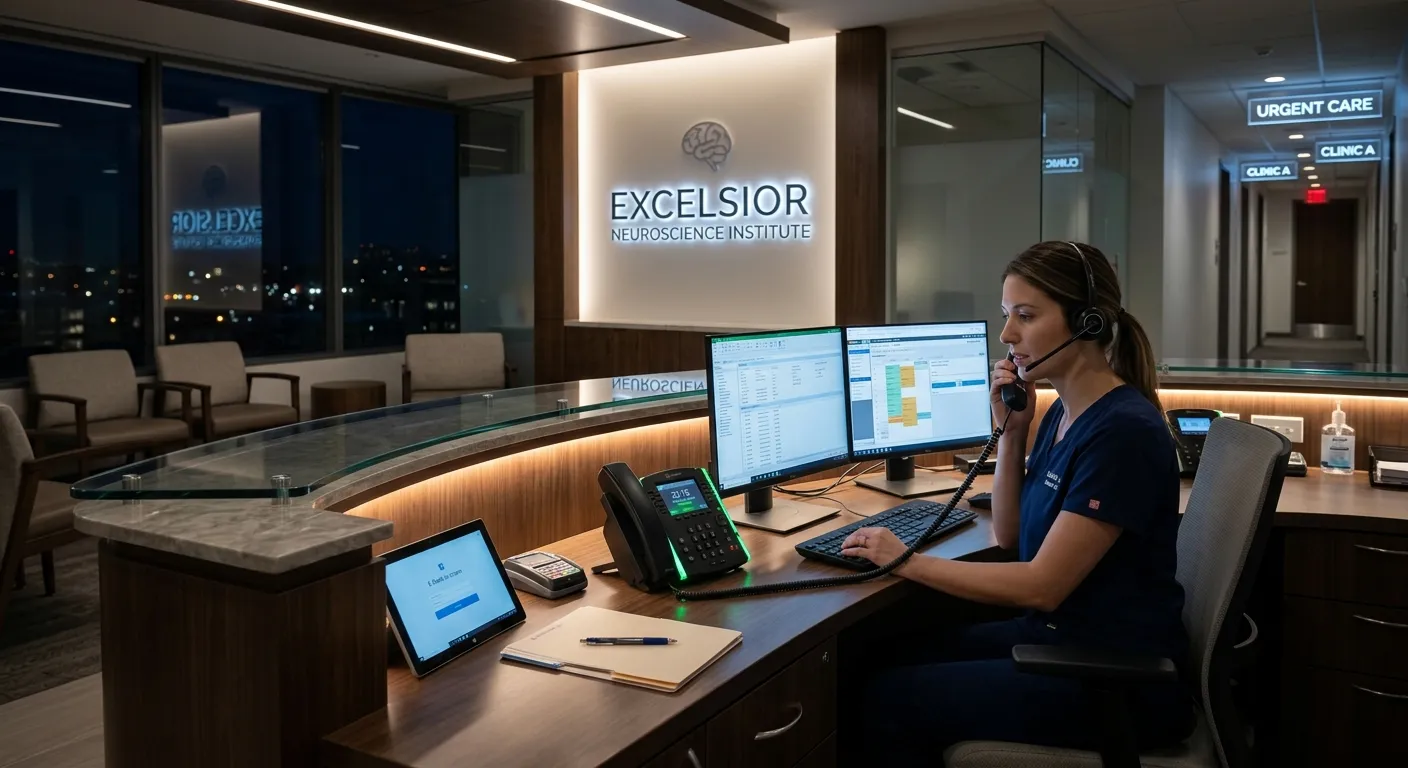
Why Your Medical Practice Cannot Afford to Ignore After-Hours Coverage
In the high-stakes world of healthcare, communication doesn't adhere to a 9-to-5 schedule. Patient concerns, emergency inquiries, and appointment requests can arise at any moment. An after hours answering service medical solution is not a luxury; it's a critical component of patient care and practice sustainability. Relying on voicemail or an overwhelmed on-call provider leads to missed emergencies, patient frustration, and significant revenue leakage. This guide delves deep into the transformative power of professional after-hours coverage, examining traditional live services versus cutting-edge AI alternatives like those offered by Call Taking AI.
Modern solutions have evolved far beyond simple message-taking. Today's services integrate directly with practice management software, perform intelligent call routing based on urgency, and can even handle basic triage or appointment scheduling autonomously. This seamless extension of your practice's front desk ensures continuity of care and reinforces your reputation for reliability. As explored in our resource on The True Cost Of Missing Business Calls, the financial impact of a missed call in healthcare extends far beyond a single appointment—it can affect patient retention and community trust.
Medical After-Hours Solutions: A Multi-Category Overview
Understanding the different models of after-hours answering is key to selecting the right fit for your practice's size, specialty, and budget.
Comparing Core Service Models
The landscape of after hours answering service medical providers is diverse. Traditional live answering services employ human agents, often in call centres, who follow your specific scripts. AI-powered virtual receptionists, like those detailed in our Complete Guide To AI Receptionists, use artificial intelligence to understand caller intent, answer questions, and take actions. Hybrid models blend AI for initial filtering and routine tasks with seamless escalation to a live human for complex or sensitive situations. The choice depends on factors like call volume, required empathy level, and integration needs with tools like EHR systems.
Pro-Tip:
When evaluating models, consider not just after-hours cost but also the quality of call transcripts, speed of alert delivery, and compliance frameworks (e.g., HIPAA, GDPR). A service that simply takes a message may be insufficient for urgent care clinics or specialist providers.
The Rise of AI in Medical Answering
AI-driven services are revolutionizing after-hours care by providing instant, consistent, and scalable answering. These systems never sleep, instantly answer on the first ring, and can be programmed with intricate medical protocols. For instance, an AI can ask a series of symptom-check questions to determine urgency, schedule a follow-up appointment directly into the practice calendar, or relay prescription refill requests. The technology behind this is explored in How Call Taking AI Transforms Call Volume Management Solutions. The key advantage is 24/7 availability without the variable costs and scheduling headaches of human staff.
Modern AI can also learn from interactions, improving its handling of your practice's specific FAQs over time. This creates a highly efficient after hours answering service medical layer that reduces the burden on on-call doctors and nurses, ensuring they are only alerted for truly urgent matters.
The Enduring Role of Live Agents
For certain high-touch specialties—such as mental health, palliative care, or sensitive consultations—the human touch remains paramount. A live agent can provide empathy, read emotional cues, and handle highly complex, non-standard inquiries that AI might struggle with. These services often employ trained staff familiar with medical terminology. However, they come with higher operational costs, potential for human error, and dependency on staffing availability. It's crucial to vet the training and protocols of the live service, ensuring they understand the gravity and confidentiality of medical communications.
Many practices find that a strategic combination works best, using AI for initial contact and filtering, reserving live agents for escalated calls. This is a core principle behind finding the right mix that actually works.
Optimizing with a Hybrid Approach
The hybrid model offers the"best of both worlds" for a robust after hours answering service medical strategy. AI handles the bulk of routine calls—appointment bookings, directions, office hour inquiries—instantly and cost-effectively. It acts as an intelligent gatekeeper. When the AI detects keywords indicating an emergency, high distress, or a request it's not authorized to handle, it seamlessly transfers the call (or sends an immediate alert) to a dedicated live agent or directly to the on-call practitioner.
This approach maximizes efficiency and cost savings while providing a safety net for critical situations. It ensures every patient feels heard while protecting clinical staff from interruption by non-urgent matters. Setting up such a workflow is simpler than ever with modern platforms, as shown in the guide on How To Build A Powerful AI Call Answering Workflow.
Core Benefits of a Professional Medical After-Hours Service
Implementing a dedicated service transforms a vulnerability into a strategic asset. Here are the key advantages.
Uninterrupted Patient Care & Safety
Ensure patients can always reach a knowledgeable point of contact. A proper service can perform basic triage, distinguish between urgent and routine matters, and guarantee that life-threatening emergencies are escalated immediately to the correct on-call professional, enhancing patient outcomes and mitigating legal risk.
Protected Clinician Downtime
Burnout is a critical issue in healthcare. An effective after hours answering service medical solution filters out non-urgent calls, allowing doctors, nurses, and practice managers to disconnect fully during off-hours. They only receive alerts for situations truly requiring their expertise, leading to better rest, higher job satisfaction, and improved daytime performance.
Revenue Capture & Lead Conversion
After-hours calls are often new patients seeking care. A voicemail results in a lost lead. A live or AI agent can capture their information, schedule an appointment, and even provide preliminary practice information. This directly translates to a fuller appointment book and increased practice revenue, as analyzed in The Hidden Price Of"Leave A Message".
Enhanced Compliance & Documentation
Professional services provide detailed, time-stamped call logs and transcripts. This creates an audit trail for patient communications, which is vital for regulatory compliance (e.g., HIPAA, CQC) and risk management. In the event of a dispute, having a precise record of the after-hours interaction is invaluable.
Competitive Advantage & Reputation
In a competitive healthcare market, offering 24/7 accessible, professional communication sets your practice apart. It builds immense patient trust and loyalty. Patients recommend practices that are responsive and caring at all times. This reputation for reliability is a powerful marketing tool.
Operational Efficiency & Scalability
Unlike hiring additional in-house staff, an outsourced after hours answering service medical provider scales with your needs. You pay for the coverage you use, without the overhead of salaries, benefits, and training. It also streamlines morning workflows, as all overnight messages and actions are neatly organized and ready for the day team.
Implementing Your After-Hours Service: A Step-by-Step Guide
Step 1: Assess Your Practice's Specific Needs
Begin by auditing your current after-hours call patterns. How many calls do you typically receive? What are the most common request types (appointments, refills, emergencies, results)? What is the required response time for urgent matters? Understanding this profile is crucial. A solo therapist will have different needs than a multi-specialty surgical centre. Tools that offer smart, skill-based call routing can be particularly beneficial for larger groups.
Step 2: Choose Between AI, Live, or Hybrid
Weigh the pros and cons outlined in the tabs above. For most modern practices, an AI-first or hybrid solution offers the best balance of cost, consistency, and coverage. Consider a trial period. Many providers, including Call Taking AI, offer demos or pilot programs so you can experience the technology firsthand, as seen in the CallTaking.ai Demo.
Critical Compliance Check
**NEVER** assume a service is compliant. Explicitly ask potential vendors for their HIPAA/GDPR compliance documentation, Business Associate Agreement (BAA) readiness, and data security protocols (encryption at rest and in transit). Your patient data is your highest responsibility.
Step 3: Design and Script the Call Flow
This is the most important step. Map out exactly how you want calls handled. What is the greeting? What questions should be asked to determine urgency? What actions can the agent/AI take (schedule, take message, transfer)? Create clear escalation paths to on-call staff. A well-designed workflow is the engine of a successful after hours answering service medical system. For inspiration, review how specialists set up their systems in Dental Call Answering Services or For Therapists & Consultants.
Step 4: Integrate with Your Existing Tools
Seamless integration eliminates double entry and errors. The ideal service should connect with your PMS (e.g., SystmOne, EMIS, EPIC), calendar (Google Calendar, Outlook), and CRM. This allows for real-time appointment booking, patient record lookup (with permissions), and automatic alerting via SMS, email, or secure app notifications. Explore Powerful And Seamless Integrations to understand what's possible.
Step 5: Train Your Team and Communicate the Change
Your clinical and administrative staff must understand how the new system works. Who receives alerts? How are they delivered? What constitutes an"urgent" vs."routine" callback? Simultaneously, inform your patients. Update your website, voicemail greeting, and practice literature to announce the new 24/7 answering service, reassuring them of your continued commitment to their care.
Expert Insight: The ROI Calculation
To justify the investment, calculate the Return on Investment (ROI). Factor in: Recovered Revenue from captured after-hours appointments, Staff Efficiency Gains (time saved not dealing with non-urgent callbacks), Risk Mitigation Value (avoided litigation or compliance fines), and Patient Retention Value. For many practices, the service pays for itself within months by preventing missed opportunities and improving operational smoothness. A deeper dive into value can be found in Which Answering Service Delivers Better Value For Businesses.
Frequently Asked Questions: After Hours Answering Service Medical
Answers to the most common questions healthcare providers have.
Modern, healthcare-specific AI is designed with sensitivity and compliance in mind. It can be programmed to handle routine, non-clinical inquiries (appointments, directions) with high efficiency. For calls involving symptoms, emergencies, or high emotional distress, the best-practice AI workflow is to instantly and respectfully escalate to a live agent or the on-call clinician. The AI acts as a sophisticated filter, not a replacement for human judgment in critical situations. Our analysis in AI Receptionist vs. Human Receptionist explores this balance.
This depends on the provider and your configuration. High-quality services provide near-instant alerts. For example, if the AI or live agent identifies an emergency based on predefined keywords (e.g.,"chest pain,""can't breathe"), it can simultaneously send an SMS, a push notification via a dedicated app, and place a call to the on-call phone within seconds. You can configure multi-level escalation chains to ensure someone always responds. Speed is a core feature of modern advanced call automation software.
AI services typically operate on a predictable monthly subscription model, often with unlimited calls or very high-volume inclusions. Traditional live services usually charge per minute of talk time or per message taken, which can become costly with high call volumes or longer conversations. The AI model offers superior cost predictability and scalability. For a detailed 2026 cost breakdown, see the video analysis: AI Receptionist vs Live Answering Service 2026: Full Cost Analysis.
Absolutely. This is a key feature of advanced medical answering. Both AI and live agents (with the right software integration) can access real-time calendar availability and book appointments directly. This eliminates the back-and-forth and ensures the appointment is immediately locked in, drastically reducing no-shows from communication delays. This functionality is highlighted in resources like Is There An Automated Phone System That Can Actually Book Appointments? and Medical Appointment Booking For GP Surgeries.
Customization is paramount. With AI services, you can write the exact greeting, choose a specific voice (or even clone a practice member's voice), and define the entire conversation tree. You control the language, tone (compassionate, professional, reassuring), and options presented. With live services, you provide a detailed script and conduct training sessions. The goal is for the caller to feel they are still interacting with your practice, not an anonymous third party. Tips for this optimization can be found in Optimize Your AI Receptionist For Peak Performance.
Ready to Transform Your After-Hours Patient Care?
Stop risking patient safety, clinician burnout, and lost revenue. Implementing a professional after hours answering service medical solution is a strategic decision that pays dividends in care quality, practice growth, and peace of mind.
For more insights on modern healthcare communication, explore our detailed guides on Healthcare Call Volume Management and AI-Powered Appointment Reminders.