
Emergency Answering Service Jobs: Your Guide to Hiring Critical Staff Today
Explore the dynamic world of emergency dispatch and answering service roles. Discover hiring strategies, key skills, and how AI is transforming this vital sector to ensure you never miss a critical call.
Post Your Emergency Answering Job Now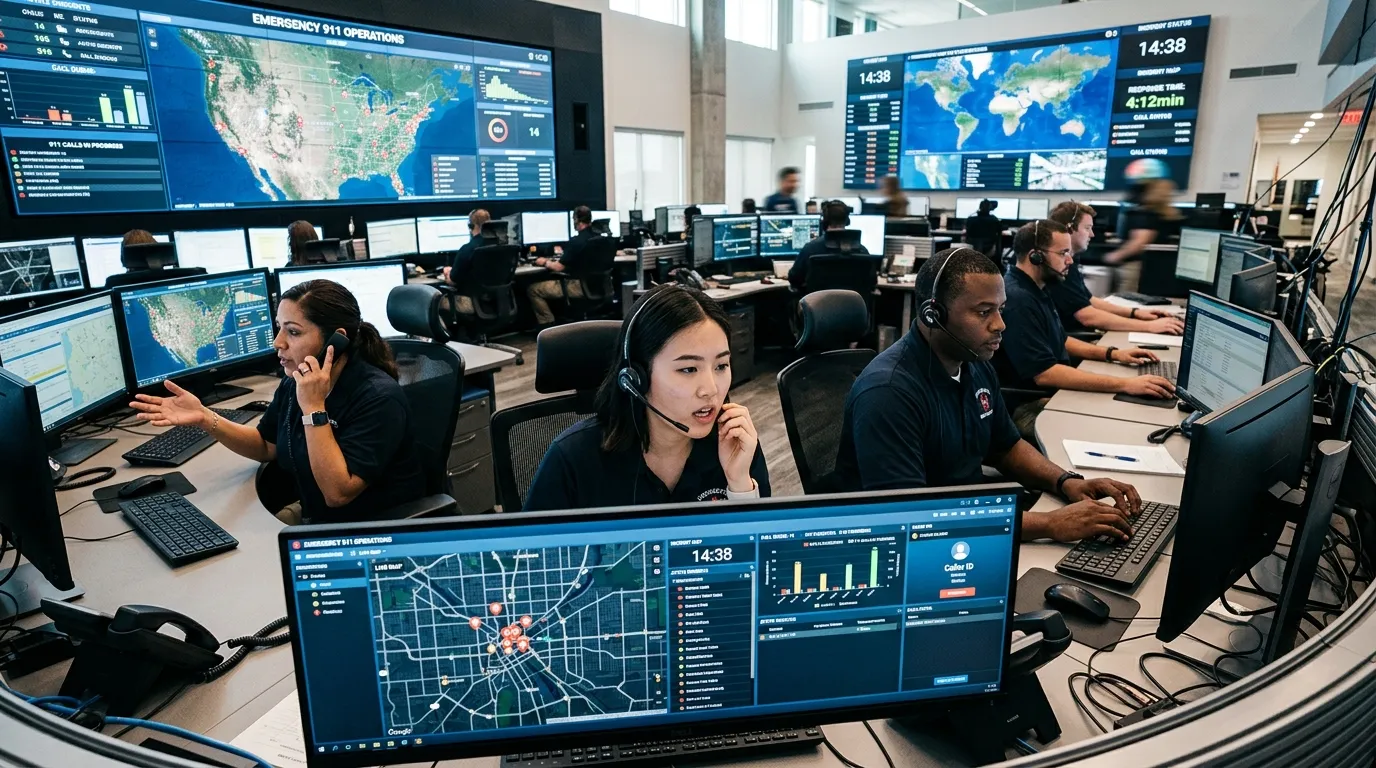
Navigating the Emergency Answering Landscape
The field of emergency answering and dispatch is multifaceted. Whether you're hiring for a traditional call center, a virtual service, or an AI-augmented operation, understanding the different models is crucial. This breakdown helps you identify the right talent and structure for your needs.
Staffing the Centralized Hub
Traditional emergency call centers require a physically present team, often operating 24/7. Hiring for these roles focuses on resilience, the ability to work under intense pressure, and seamless teamwork. Key positions include Tier 1 Call Takers, Senior Dispatchers, and Shift Supervisors.
The dispatch rate—the speed and accuracy with which an emergency is categorized and resources are allocated—is the paramount KPI. Staff must be trained not only in communication and empathy but also in specific software for logging and geolocation. Understanding the difference between a call centre and a virtual answering service is the first step in deciding if this model suits your operational scale and budget.
Pro Tip: When hiring for high-pressure call centers, use situational judgment tests that simulate back-to-back emergency calls. Look for candidates who demonstrate calm procedural adherence even in simulated chaos.
The Remote & Flexible Workforce
Virtual emergency answering service jobs offer flexibility for both employers and agents. Hiring can tap into a wider, often more experienced talent pool unconstrained by geography. This model is ideal for businesses that need after-hours coverage or overflow support without the overhead of a physical facility.
Agents need robust home-office setups, impeccable self-discipline, and advanced technical troubleshooting skills. For many small businesses, a virtual service is the most cost-effective way to ensure 24/7 coverage. Discover the easiest way to handle after-hours business calls through a structured virtual team. Managing the dispatch rate remotely requires exceptional cloud-based tools and clear, documented protocols that every remote agent follows meticulously.
The Future: AI-Augmented Emergency Response
The most forward-thinking emergency answering services now integrate AI. This transforms hiring needs. Instead of only hiring a large team of entry-level call-takers, you now need"AI Trainers,""Conversation Flow Designers," and human agents who excel at handling only the most complex, escalated situations that AI cannot resolve.
AI can handle initial intake, caller identification, and even tiered questioning, significantly increasing the effective dispatch rate by filtering non-emergencies and gathering critical data before a human speaks. This allows your human staff to focus on true emergencies. For a deep dive into this evolution, read our comparison for businesses choosing between AI call handling and live receptionist services.
Expert Insight: The job market is shifting. The most sought-after emergency answering service professionals will be those who can collaborate with AI systems, interpreting their data and taking over with contextual human judgment.
Essential Components of Successful Emergency Answering Hires
Hiring for these roles goes beyond a good phone voice. You need individuals who embody a specific set of competencies. Here are the core features and benefits to look for when building or staffing your emergency answering team.
Crisis Calm & Composure
The ability to project calmness while internally processing urgent information is non-negotiable. Look for proven experience in high-stress environments, not just call centers. Training must include de-escalation techniques and stress inoculation protocols to maintain a high, consistent dispatch rate even during mass-casualty or peak-event scenarios.
Technical & Software Proficiency
Modern dispatch uses complex CAD (Computer-Aided Dispatch) systems, CRM integrations, and mapping software. Candidates must be quick learners of proprietary platforms. Furthermore, understanding how AI tools can assist is becoming vital. Explore advanced call automation software solutions to see what tools your team should master.
Multi-Agency Coordination Skills
Emergency calls often require coordinating police, fire, EMS, and utility companies. Staff must understand the protocols and communication channels for each. This skill directly impacts the accuracy and efficiency of the dispatch rate. Role-playing exercises with simulated multi-agency responses are excellent for both training and assessing this competency during the hiring process.
Optimizing Your Hiring Strategy for Emergency Answering Service Jobs
Building a reliable emergency answering team requires a strategic approach to recruitment, training, and retention. The stakes are high, and the cost of a bad hire—in terms of delayed response or mishandled crises—is immense. Let's explore the actionable steps to attract and secure top talent.
Crafting Compelling Job Descriptions
Your job posting is your first filter. Avoid generic lists of duties. Instead, paint a picture of the impact the role has. Use language that attracts resilient problem-solvers, not just those looking for a"call center job."
- Highlight Purpose:"Your voice will be the first calm in someone's storm." Emphasize the critical nature of the work.
- Be Specific About Pressure: Clearly state the high-volume, high-stakes environment to self-select candidates who thrive under pressure.
- Detail Tech Stack: Mention specific dispatch software, CRM systems (like Salesforce), or AI tools (like CallTaking.ai) used. This attracts technically adept applicants.
- Specify Metrics: Mention that performance will be measured against key indicators like call handling time, customer satisfaction (if applicable), and most importantly, dispatch rate accuracy.
For businesses considering a technological upgrade to support their team, understanding the options is key. Our resource on what to look for in AI call center software can guide the tools you mention in your job ads.
Structured Interview & Assessment Process
A multi-stage assessment is essential. Move beyond simple Q&A to simulations and practical tests.
Recommended Assessment Stages:
- Initial Screening Call: Test for clear speech, calm demeanor, and basic scenario response over the phone itself.
- Written Communication Test: Assess the ability to write clear, concise, and accurate incident logs under a time limit.
- In-Person or Virtual Simulation: The core of the process. Use recorded emergency calls (with consent) or professionally acted scenarios. Test for active listening, prioritization, protocol adherence, and data entry speed. Observe how they manage the simulated dispatch rate pressure.
- Cultural Fit Interview: Discuss teamwork, stress management techniques, and long-term motivation with senior dispatchers or team leads.
See AI in Action for Support Roles
Understanding how AI can handle initial call filtering allows you to hire human agents for more complex, empathetic tasks. This video demonstrates how AI manages high call volumes, a scenario your staff will support.
Watch: Calltaking.AI handles concurrent calls, showcasing the technology your future team members may work alongside.
Training, Retention & Career Pathways
Burnout is a significant risk in emergency answering service jobs. A robust onboarding and continuous development program is not a cost; it's an investment in reliability and reduced turnover.
Initial Training: Must be extensive, covering not only software and protocols but also trauma-informed communication, mental health first aid for callers, and resilience training for staff themselves. Shadowing experienced dispatchers is invaluable.
Clear Career Ladders: Show agents a future beyond the headset. Pathways can lead to Training Specialist, Quality Assurance Analyst, Shift Supervisor, Dispatch Manager, or even into related fields like emergency operations planning or the development of AI training data. For insights into how technology is creating new hybrid roles, see how call taking AI transforms call volume management solutions, which opens up new supervisory and analytical positions.
Critical Retention Strategy: Implement mandatory debriefing sessions after traumatic calls, provide access to confidential counseling services, and actively promote a culture where seeking support is encouraged, not stigmatized. This directly preserves your team's well-being and maintains operational consistency.
Emergency Answering Needs Across Key Industries
While core skills are universal, the application of emergency answering service jobs varies significantly by sector. Tailoring your hiring and training to industry-specific nuances ensures your team provides not just a generic response, but a knowledgeable and effective one.
Healthcare & Medical Emergencies
Here, the dispatch rate is literally a matter of life and death. Agents need basic medical terminology knowledge, the ability to perform pre-arrival instructions (like CPR guidance), and strict adherence to HIPAA/GDPR compliance. Hiring often looks for candidates with backgrounds as EMTs, nurses, or medical assistants.
AI is playing a growing role in triaging non-critical after-hours calls, allowing human staff to focus on true emergencies. Learn how this works in our article on healthcare call volume management with call taking AI.
Property Management & Utility Outages
Emergency answering for landlords, letting agents, and utilities deals with burst pipes, power outages, gas leaks, and security breaches. Staff must quickly differentiate between true emergencies and routine maintenance requests, prioritizing based on risk to property and life.
They need knowledge of contractor networks and utility escalation procedures. Efficiently managing these calls protects assets and tenant safety. For more on this niche, see our guide for landlords and letting agents on managing after-hours emergencies.
Frequently Asked Questions on Emergency Answering Service Jobs
Have questions about hiring, training, or the future of emergency dispatch roles? Find expert answers below.
While technical skills are teachable, the innate ability to remain calm under extreme auditory pressure is paramount. The best assessment is a realistic, high-fidelity simulation. Present the candidate with a chaotic, emotionally charged emergency call (e.g., a multi-vehicle accident with screaming in the background) and evaluate their breathing control, voice steadiness, and ability to systematically extract crucial information (location, number of victims, types of injuries) despite the noise. This directly predicts their on-the-job performance and impact on your team's overall dispatch rate.
AI is not replacing these jobs but radically transforming them. It automates the initial intake for non-critical or information-only calls (e.g.,"Is the power back on?"), verifies caller locations via AI-powered number analysis, and can even provide pre-recorded emergency instructions (like the Heimlich maneuver) while the human agent is being connected. This means hiring focuses less on sheer volume capacity and more on complex problem-solving and advanced empathy. The roles are becoming more specialized and less repetitive. For a broader perspective, our complete guide to AI receptionists details this shift across sectors.
Salaries vary by location, industry (medical dispatch often pays more), and experience. In the UK, entry-level emergency call handlers can start between £20,000 - £25,000, with senior dispatchers and team leaders earning £30,000 - £40,000+. Beyond base pay, competitive benefits are crucial for retention and must address job-specific stresses:
- Comprehensive Mental Health Support: Full coverage for therapy and counseling, with no limits on sessions related to work trauma.
- Enhanced Leave Policies: Additional paid mental health days beyond standard sick leave.
- Shift Premiums & Schedule Flexibility: Significant extra pay for nights, weekends, and holidays. Offering some control over shift patterns reduces burnout.
- Continuous Education Stipends: Pay for courses in crisis counseling, emergency management, or related software certifications.
Investing in these benefits reduces costly turnover and ensures a stable, experienced team managing your critical dispatch rate.
Absolutely, and it's often more affordable than the risk of missing a critical call. The traditional model of hiring full-time, in-house staff for 24/7 coverage is prohibitively expensive for most small businesses. The modern solution is to leverage virtual answering services or AI-powered hybrids. These operate on a pay-per-use or monthly subscription model, offering professional emergency intake and dispatch only when needed. This transforms a fixed, high salary cost into a variable, manageable operational expense. For startups specifically, we've outlined the optimal approach in the best phone answering service for startups. The key is to ensure the service you choose has protocols tailored to your specific type of potential emergency.
Ready to Secure Your Critical Communication Line?
Whether you're building an in-house emergency dispatch team, seeking a virtual service partner, or exploring AI augmentation to empower your existing staff, the time to act is now. Every missed call is a potential crisis unmanaged.
For more insights on optimizing your call management strategy, explore our resources on the true cost of missing business calls and how to implement smart call management solutions that scale with your needs.